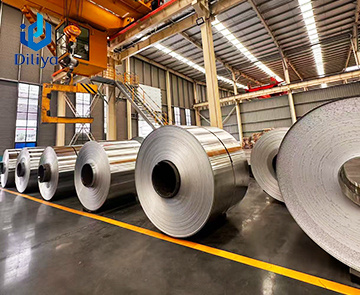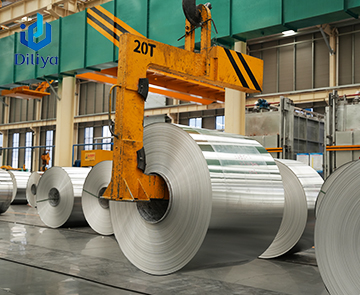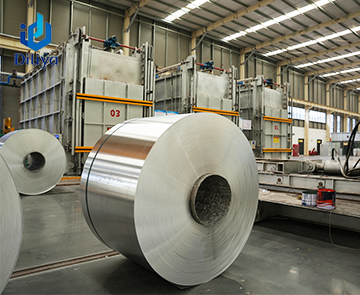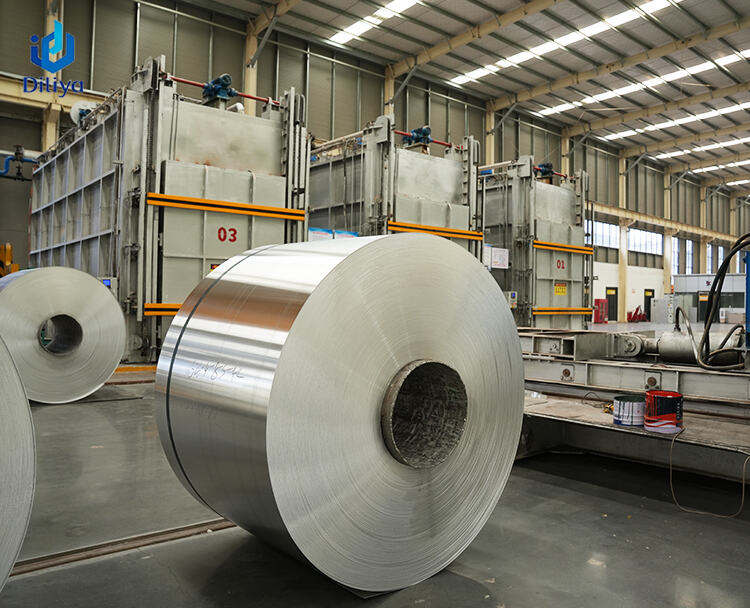
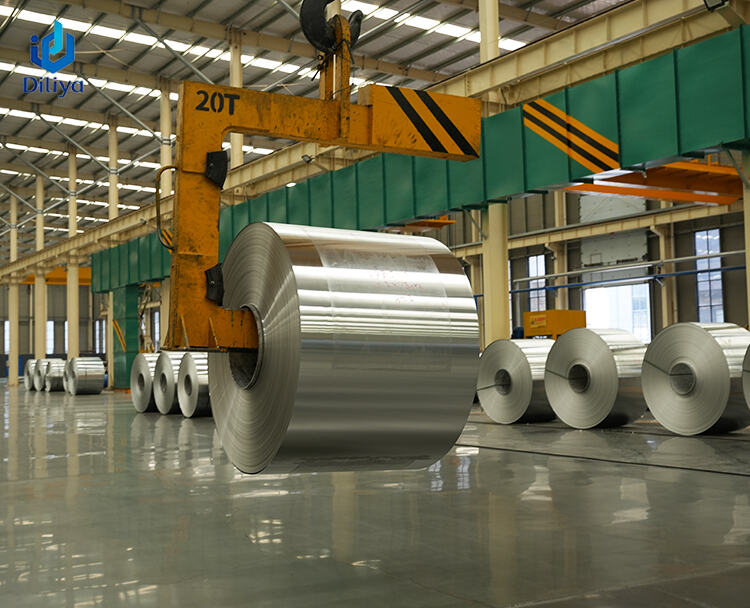
5xxx series aluminum coils are wrought aluminum alloys with magnesium as the main alloying element. Featuring excellent corrosion resistance, moderate to high strength, superior formability and reliable weldability, they are widely used in industrial manufacturing, architectural decoration, transportation and other sectors. Currently, they rank among the most popular medium and high strength aluminum alloys on the market.
5xxx series belongs to aluminum-magnesium alloys, with magnesium content generally ranging from 0.5% to 5.0%, varying by specific grades. A small amount of manganese, chromium, titanium and other elements are added to optimize overall performance. Its key composition features are as follows:
As the major strengthening element, magnesium improves alloy strength via solid solution strengthening, without significantly impairing the inherent ductility and toughness of aluminum alloys.
Manganese refines grain structure, stabilizes alloy texture, further boosts strength and corrosion resistance, and offsets the negative impact of impurity elements on corrosion performance.
Chromium reduces susceptibility to stress corrosion, enhances the stability of welded structures and improves fatigue resistance.
The alloy contains no copper or other elements that weaken corrosion resistance, delivering naturally outstanding anti-corrosion performance for outdoor and humid working environments.
Mainstream grades include 5052, 5005, 5083, 5754 and 5182, with differentiated composition and mechanical properties for diverse applications.

Manufacturing of 5xxx series aluminum coils follows standard procedures for wrought aluminum alloys, consisting of four core stages: melting and casting, hot rolling, cold rolling and finishing.
Melting and Casting
Raw aluminum and alloying elements are proportioned and melted in a furnace. Degassing and slag removal are carried out to eliminate hydrogen and impurities, preventing porosity and inclusions in subsequent rolling processes. The molten metal is then cast into qualified aluminum ingots via semi-continuous casting for hot rolling.
Hot Rolling
Aluminum ingots are heated to 400–500 °C for hot working. Through multiple rough and finish rolling passes, thick ingots are processed into hot rolled coils with a thickness of 3–10 mm. Hot rolling breaks down cast structures, eliminates internal voids and improves material uniformity, producing qualified semi-finished products for cold rolling.
Cold Rolling
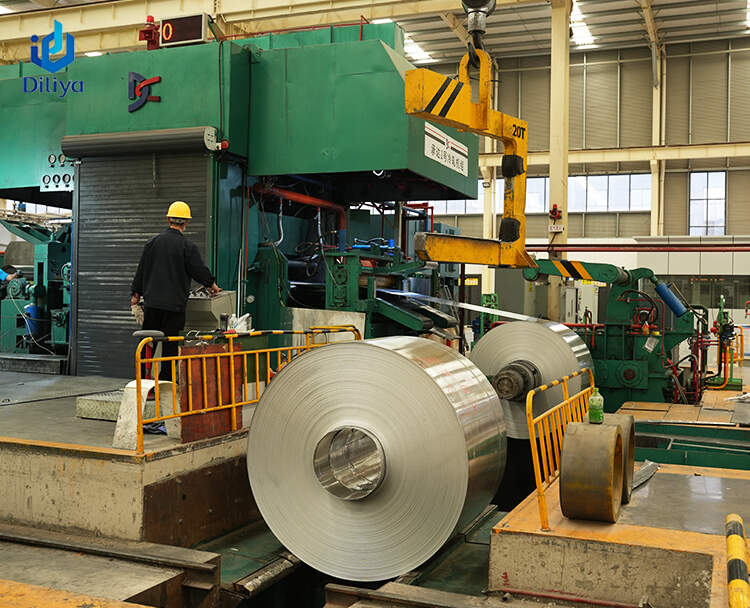
Hot rolled coils are cold rolled at ambient temperature to the required thickness. The standard thickness range of finished 5xxx aluminum coils is 0.2 mm to 10 mm, with custom sizes available. Mechanical properties are adjusted by controlling rolling reduction to obtain different tempers:
O temper (soft): Optimal ductility, suitable for deep drawing, bending and other complex forming processes.
H14 / H16 / H18 (half-hard / full-hard): Higher strength and better dimensional stability.
H112 (hot worked state): Combines excellent corrosion resistance and structural strength.
Finishing
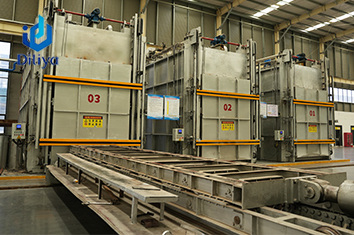
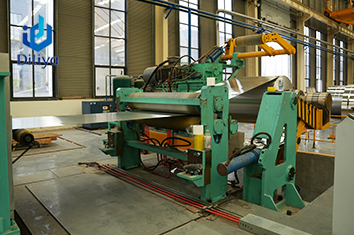
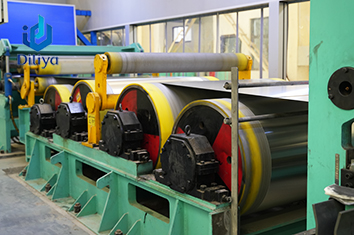
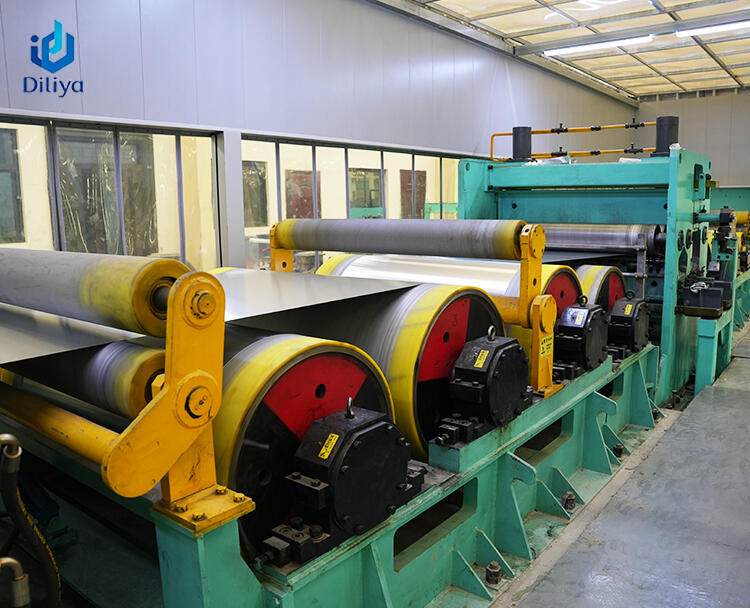
After cold rolling, annealing is applied to adjust mechanical properties. The coils then go through cleaning, leveling, edge trimming and rewinding to ensure precise dimensions and smooth surface. Finally, products are slit and packaged as per customer requirements.
Compared with 1xxx pure aluminum coils, 3xxx Al-Mn coils and 6xxx Al-Mg-Si coils, 5xxx series has remarkable superiorities:
Excellent Corrosion Resistance
A dense and stable protective aluminum oxide film naturally forms on the surface. Free of corrosion-prone elements, the alloy performs well in atmospheric, fresh water, seawater and humid industrial environments. It offers superior resistance to pitting and intergranular corrosion, and resists rusting and perforation during long-term outdoor service.
Outstanding Formability
O-temper coils feature ultra-high elongation and rarely crack during bending, stamping, spinning and stretching. They produce finished parts with low springback and stable dimensions, ideal for complex-shaped components. Half-hard grades balance strength and ductility, well suited for general sheet metal processing.
Good Weldability
5xxx aluminum alloys have low susceptibility to welding cracks. Stable and high-quality weld joints can be achieved via TIG welding, spot welding, gas welding and other common techniques. The strength decreases slightly after welding, making it perfect for welded structural parts.
Balanced Light Weight and Strength
Its density is approximately one-third of steel. While maintaining medium-to-high strength, it greatly reduces structural weight, complying with the lightweight trend across industries. It also has good fatigue resistance and avoids fatigue fracture after long-term operation.
Good Surface Finishing Performance
With a smooth surface, the coils are easy to process via anodizing, spraying, wire drawing and other treatments, delivering attractive and wear-resistant surfaces for decorative applications.
Standard specifications for mass production are listed below. Custom sizes are acceptable:
Thickness: 0.2 mm – 12.0 mm
Width: 100 mm – 2600 mm
Tempers: O, H12, H14, H16, H18, H112, H22, H24
Inner coil diameter: Standard 405 mm and 505 mm; custom diameters available
Thanks to its comprehensive performance, 5xxx series aluminum coils are widely used in various industries:
Architectural Decoration
Used for exterior wall cladding, interior decorative panels, ceiling panels, integrated wall panels and core materials of aluminum composite panels. With good weather resistance, easy processing and light weight, it gradually replaces traditional decorative materials. Grade 5005 with low magnesium content is ideal for anodizing and widely applied to high-end decorative components.
Transportation
It is a key material for automobiles, ships and rail transit. Applications include automotive body panels, new energy vehicle battery pack enclosures, ship bulkheads, container inner walls and interior & structural parts of rail carriages. High-magnesium grades such as 5083 feature outstanding seawater corrosion resistance and are widely used for fishing boats and yachts.
Electrical & Electronic Industry
Applied to electronic product housings, electrical cabinets, computer cases and brackets for solar backsheets. It integrates good formability, heat dissipation and corrosion resistance, meeting the lightweight and durability requirements of the electronics industry.
Packaging
Grades like 5182 have high strength and excellent stamping performance, commonly used for can lids, food and pharmaceutical packaging foils. The material is non-toxic and odorless, fully complying with food contact safety standards.
General Industrial Sector
Used for pressure vessels, pipelines, storage tanks, molds and sheet metal parts. Grade 5754 has excellent intergranular corrosion resistance, ideal for liquid and gas storage tanks. It is also widely used for anti-theft doors and windows, aluminum alloy furniture, outdoor billboards and other civil products.
All products are manufactured in strict accordance with national and industrial standards, mainly including GB/T 3190 Chemical Composition of Wrought Aluminum and Aluminum Alloys and GB/T 3880 Aluminum and Aluminum Alloy Sheets, Plates and Strips for General Industrial Use. Key quality control procedures:
Composition testing: Spectroscopic analysis for each batch to ensure compliance with grade requirements.
Mechanical property testing: Tensile strength, yield strength and elongation are inspected batch by batch to meet temper standards.
Visual inspection: Full-process surface inspection to eliminate scratches, peeling, inclusions and corrosion spots.
Dimensional tolerance control: Thickness deviation within ±0.02 mm and width deviation within ±2 mm to satisfy high-precision processing demands.
Storage and Handling Guidelines
To preserve product performance, please follow the rules below during storage and use:
Store coils indoors in a dry and well-ventilated area. Outdoor storage is prohibited to avoid surface corrosion caused by long-term exposure to moisture.
Prevent surface scratches from sharp objects during lifting and transportation. Large coils shall be firmly fixed to avoid rolling and collision.
Select a proper bending radius according to material thickness during bending. A larger radius is required for thicker coils to prevent cracking.
Remove oil stains and oxide films on welding areas before welding to guarantee welding quality.